Bad trip help: what to do and who to call
If someone is having a bad trip, stay with them, keep things quiet and calm, and tell them it will pass. Call 911 for a seizure, collapse, trouble breathing, chest pain, someone who can't be woken or anyone who might get hurt; for support by phone or text, Fireside Project answers at 62-FIRESIDE.
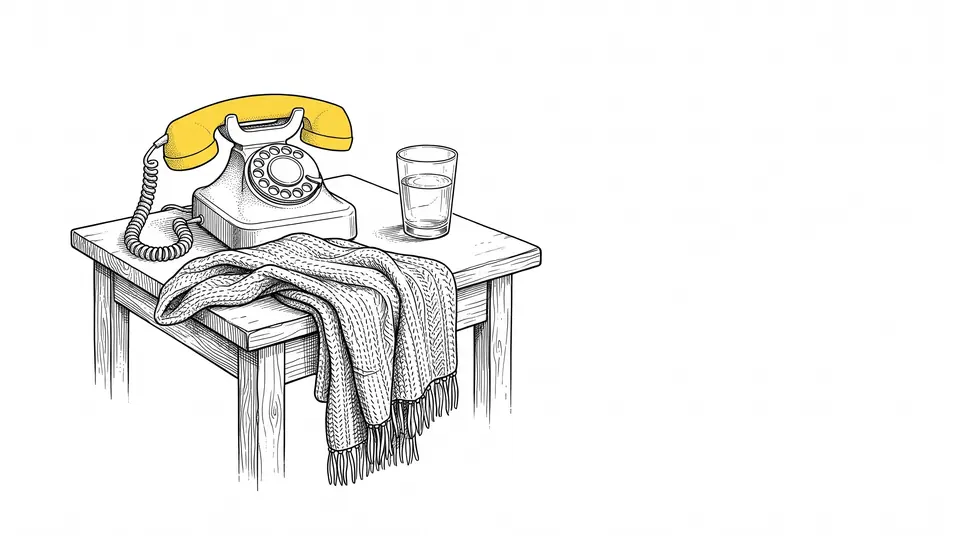
What to do right now
Stay with the person, move somewhere quiet and safe, and tell them calmly that what they're feeling is the drug and that it will wear off. Call 911 if they collapse, have a seizure, have trouble breathing, can't be woken, have chest pain, or might hurt themselves or someone else.12
Serious outcomes are uncommon. In a 2017 global survey, 19 of 9,233 people who had used magic mushrooms in the past year (0.2%) said they had sought emergency treatment, mostly for panic or paranoia, and all but one were back to normal within 24 hours.3 That's a reason to stay calm. It isn't a reason to wait if any of the warning signs below appear.
When should you call 911?
Poison Control's advice is direct: if the person "collapses, has a seizure, has trouble breathing or can't be awakened," call 911 now.1 Also call 911 for:
- Chest pain or pressure: sudden crushing, squeezing or tightening in the chest, pain that spreads to the jaw, left arm or between the shoulder blades, sudden sharp chest pain with shortness of breath, or chest pain with sweating, nausea, dizziness, a racing heart or shortness of breath.2
- Signs of serotonin toxicity or a seizure, described in the next section.
- Danger to anyone. Research safety guidelines warn that a person "in a bewildered or delusional state" might walk into traffic or try to drive.4 If someone can't be kept safe, or talks about wanting to die and might act on it, that's a 911 call. Fireside Project tells anyone in danger to call 911, and a 988 counselor contacts 911 if someone is in physical danger.516
- You aren't sure. Let the dispatcher decide, stay on the line and follow their instructions.
If it isn't an emergency but you're worried about a possible poisoning, such as a symptom or a mix of substances, Poison Control gives expert guidance at 1-800-222-1222, 24 hours a day, in over 100 languages, and connects you to your local poison center.7
Warning signs of serotonin toxicity and seizures
Serotonin toxicity is a reaction to too much serotonin activity. A 2022 review found it typically involves a serotonergic drug overdose or a combination with an MAOI, a type of antidepressant, and it lists these signs as needing immediate medical attention:8
- Muscle jerking or twitching (myoclonus), or rigid muscles
- A high fever
- Extreme or swinging heart rate and blood pressure
- Severe agitation, or being very hard to rouse
- Seizure activity
MedlinePlus adds overactive reflexes and loss of coordination, and warns that untreated serotonin syndrome "can be deadly."9
A seizure is always a reason to call 911.1 Lithium matters here: in an analysis of online reports of classic psychedelics taken with lithium, 47% of 62 reports described seizures, while none of 34 reports involving lamotrigine did.10 If the person takes lithium or an MAOI, tell the dispatcher. Our medication interactions reference covers other medicines.
Which line to call when it isn't an emergency
| Line | What it's for | How and when |
|---|---|---|
| Fireside Project | Talking to a trained volunteer during or after a hard psychedelic experience. It is not a suicide hotline and provides no medical or clinical services.5 | Call or text 62-FIRESIDE (623-473-7433), 11 a.m. to 11 p.m. Pacific, every day. Free and confidential. |
| 988 Suicide and Crisis Lifeline | Thoughts of suicide, emotional distress, or alcohol or drug concerns.6 | Call or text 988, or chat at 988lifeline.org. 24/7, free and confidential. Text and chat in Spanish too. |
| Veterans Crisis Line | Veterans in crisis; VA enrollment isn't required.11 | Dial 988, then press 1, or text 838255. 24/7. |
| Poison Control | Expert guidance on a possible poisoning, such as a worrying symptom, a mix of substances, or a child who ate mushrooms or a mushroom product.7 | 1-800-222-1222, 24/7, over 100 languages. |
Fireside's line is answered by people: "No AI. No phone tree." It directs anyone in danger to 911 and anyone with suicidal thoughts to 988.5
How to help someone having a hard time
Safety guidelines written for psilocybin research say "the appropriate first response is to provide strong personal support and reassurance."4 Outside the lab, support matters as well: in a survey of 1,993 people describing their worst bad trip, putting themselves or others at risk was more likely when physical comfort and social support were missing.12
- Stay with them, sober. In research sessions a monitor is always in the room.4 Keep the group around them small: in research, only the monitors interact with the participant.4
- Make the space quiet and safe. Lower the noise and light, and keep them away from roads, water, heights and car keys.
- Reassure them, simply and often. "You took something. This is the drug. It will wear off. I'm here." Don't argue with what they're seeing; the guidelines say trying to talk someone down "may be counterproductive." Holding a hand, if they want it, is described there as "a powerful form of reassurance."4
- Offer comfort. A blanket, a place to sit or lie down, a glass of water.
- Keep watching. Check that they're breathing normally and respond to you, and that they aren't getting very hot, rigid or jerky. If any 911 sign appears, call.
If they want to talk to someone outside the room, Fireside Project takes calls and texts.5
What not to do
- Don't leave them alone, and don't let them drive or wander off.4
- Don't restrain them or hold them down. Two people put in straitjackets during LSD intoxication developed muscle breakdown (rhabdomyolysis) and kidney failure, and one died; the authors thought it probably resulted from severe restraint combined with violent movements caused by the drug.13 If someone can't be kept safe without force, call 911.
- Don't give them anything to "bring them down": no alcohol, cannabis, other drugs or someone else's medicine. Mixing substances was among the most reported reasons for incidents in the survey above.3 Calming medication is a decision for medical staff.
- Don't hide what was taken from responders. They can only treat what they know about.
What to tell 911 or Poison Control
- What was taken and roughly when. Keep any packaging. In 2024 poison centers saw a surge of exposures to products sold as psychedelic mushroom chocolates, gummies and syrups, and products tested in the Diamond Shruumz outbreak contained substances such as kavalactones, pregabalin and muscimol.14
- Everything else taken: alcohol, cannabis and other drugs.
- Every prescription medicine and supplement, especially lithium and antidepressants, including MAOIs.810
- Health history: heart problems, seizures, pregnancy, and any personal or family history of psychosis or bipolar disorder (see who should avoid psilocybin).
- What you've seen: when it started, any seizure, and how long they've been unresponsive.
After a hard experience
All but one of the 19 people in the 2017 survey who sought emergency care were back to normal within 24 hours.3 For some, effects last longer. In the survey of 1,993 people, 7.6% of those whose worst experience was more than a year earlier had sought treatment for lasting psychological symptoms, and the researchers found three cases linked to lasting psychotic symptoms and three to suicide attempts.12
Visual after-effects are common and are rarely distressing. In a study that followed 654 people after a planned psychedelic experience, over 30% reported effects like those of hallucinogen persisting perception disorder (HPPD) four weeks later, but fewer than 1% found them distressing; younger age, being female, a psychiatric history and a trait called absorption predicted them.15
Talk to a doctor, psychiatrist or therapist if visual changes, panic, low mood, sleep problems or unusual thoughts keep coming back or get in the way of daily life. Fireside Project also offers support after an experience.5 If thoughts of suicide come up, call or text 988 at any time, or 911 if someone is in immediate danger.6 If you take prescribed medicines, don't stop or change them on your own; talk to your prescriber. For more on poisoning and toxicity, see can you overdose on magic mushrooms.
Questions people ask
How long does a bad trip last?
It eases as the drug wears off. In a global survey, all but one of the 19 people who sought emergency care after taking magic mushrooms were back to normal within 24 hours. Don't wait for it to pass if a warning sign appears: call 911 for a seizure, collapse, trouble breathing, chest pain, a high fever, or rigid or jerking muscles.
Is Fireside Project a crisis line?
It's a free, confidential peer support line for psychedelic experiences, answered by trained volunteers. It says it is not a suicide hotline and provides no medical or clinical services. For emergencies call 911; for suicidal thoughts call or text 988.
Should I give someone something to calm them down?
No. Don't give alcohol, cannabis, other drugs or someone else's medicine. Start with a quiet place, a sober person staying with them and reassurance. If that isn't enough, call 911 or Poison Control; calming medication is a decision for medical staff.
Can a bad trip cause lasting problems?
Sometimes. In one large survey, 7.6% of people whose worst experience was more than a year earlier had sought treatment for lasting psychological symptoms. Visual after-effects are common but rarely distressing. If symptoms keep coming back or affect daily life, talk to a clinician.
Sources
- Poison Control (National Capital Poison Center), home page: "If the individual collapses, has a seizure, has trouble breathing or can't be awakened: Call 911 now!" Checked October 26, 2026.
- Chest pain. MedlinePlus Medical Encyclopedia, US National Library of Medicine, reviewed April 28, 2026.
- Kopra EI, et al. Adverse experiences resulting in emergency medical treatment seeking following the use of magic mushrooms. J Psychopharmacol, 2022. PMID 35388724.
- Johnson M, Richards W, Griffiths R. Human hallucinogen research: guidelines for safety. J Psychopharmacol, 2008. PMID 18593734.
- Fireside Project, Psychedelic Peer Support Line. Hours, numbers and service limits checked October 26, 2026.
- 988 Suicide and Crisis Lifeline. Checked October 26, 2026.
- Poison Help, 1-800-222-1222. Health Resources and Services Administration. Checked October 26, 2026.
- Malcolm B, Thomas K. Serotonin toxicity of serotonergic psychedelics. Psychopharmacology (Berl), 2022. PMID 34251464.
- Serotonin syndrome. MedlinePlus Medical Encyclopedia, US National Library of Medicine, reviewed April 13, 2026.
- Nayak SM, et al. Classic psychedelic coadministration with lithium, but not lamotrigine, is associated with seizures: an analysis of online psychedelic experience reports. Pharmacopsychiatry, 2021. PMID 34348413.
- Veterans Crisis Line. US Department of Veterans Affairs. Checked October 26, 2026.
- Carbonaro TM, et al. Survey study of challenging experiences after ingesting psilocybin mushrooms: acute and enduring positive and negative consequences. J Psychopharmacol, 2016. PMID 27578767.
- Mercieca J, Brown EA. Acute renal failure due to rhabdomyolysis associated with use of a straitjacket in lysergide intoxication. Br Med J (Clin Res Ed), 1984. PMID 6428617.
- Beuhler MC, et al. 2024 annual report of the National Poison Data System (NPDS) from America's Poison Centers: 42nd annual report. Clin Toxicol (Phila), 2025. PMID 41432769.
- Zhou K, et al. Prediction of hallucinogen persisting perception disorder and thought disturbance symptoms following psychedelic use. PNAS Nexus, 2025. PMID 40264850.
- 988 Frequently Asked Questions. Substance Abuse and Mental Health Services Administration: "If you or the person you are calling about is in physical danger, your 988 counselor will contact 911 for emergency services support." Checked October 26, 2026.
Keep reading
 Can you overdose on magic mushrooms? Toxicity, poison center data and warning signsDeaths are rare and mostly accidents or mixed drugs, but poison center cases and child exposures have climbed.
 Psilocybin drug interactions: lithium, SSRIs, MAOIs and 23 more26 medicine and drug classes: what research found when each met psilocybin, and how strong the evidence is.
 Who should avoid psilocybin? What clinical trials excludeWhat 8 psilocybin trials screened out and why, with a private checklist that explains each exclusion.
Written and checked by the Dosage Calculator editors. Every figure on this page links to its source. Found an error? Tell us and we'll correct it in the open, as our editorial standards describe. Magic Mushroom Dosage Calculator is published by the team that runs My Mushroom Dispensary, an online shop. We sell no advertising and nothing on this site.